
What Is Google’s AI Overview and How Does It Work?

Google's AI Overview now dominates over 75% of mobile search screens, fundamentally changing how users find information. If you're still optimizing for traditional search results, you're already behind—but there's a specific content strategy that actually works in this new AI-first landscape.

Key Takeaways
Google's AI Overview is a generative AI feature that creates detailed summaries by synthesizing information from multiple sources, appearing above traditional search results.
The system uses Google's Gemini large language model through a retrieval-augmented generation (RAG) pipeline, making traditional SEO rankings still important as a content filter.
AI Overviews are triggered primarily by informational, comparative, and how-to queries, leading to increased zero-click searches that impact organic click-through rates.
SEO professionals must prioritize E-E-A-T (Experience, Expertise, Authoritativeness, Trustworthiness) and structured, high-quality content to appear in AI Overview citations.
The feature has expanded globally to over 200 countries and continues reshaping search behavior and content strategy requirements.
AI-Generated Summaries Now Top Search Results
Search results have fundamentally changed. Google's AI Overview transforms how users interact with search by providing generative artificial intelligence summaries that appear prominently above organic listings and sometimes even above ads. Unlike traditional featured snippets that extract information from a single webpage, AI Overviews synthesize content from multiple authoritative sources to create detailed, cohesive answers.
This shift represents the most significant change to search engine results pages (SERPs) in years. When AI Overviews appear alongside featured snippets, they can dominate 67.1% of desktop screens and 75.7% of mobile screens, fundamentally altering the search environment. Dominate Organic Search helps businesses adapt their content strategies to maintain visibility in this evolving search environment through strategic media placement and authority-building content.
The introduction of AI Overviews marks a clear evolution from simple keyword matching to contextual understanding. Users now receive immediate, synthesized answers that reduce the need to click through multiple websites to gather information. This creates both challenges and opportunities for content creators and SEO professionals who must understand how to position their content for inclusion in these AI-generated summaries.
How Google's AI Overview Actually Works
1. Query Analysis and Source Identification
Google's AI Overview begins its process by analyzing user queries to determine intent and complexity. The system identifies whether a query would benefit from a detailed, multi-source summary rather than a simple featured snippet. This analysis considers factors like query ambiguity, topic breadth, and the likelihood that users need information from multiple perspectives or sources.
Once triggered, the system searches Google's existing index to identify relevant, authoritative pages. This process relies heavily on traditional ranking signals, meaning websites that rank well organically have better chances of being selected as source material. The AI doesn't crawl new content specifically for overviews—it works with pages already indexed and ranked by Google's core algorithm.
2. Multi-Source Content Synthesis
The retrieval-augmented generation (RAG) pipeline extracts relevant information from multiple high-ranking pages rather than relying on a single source. This approach allows AI Overviews to provide more complete answers than featured snippets, which typically pull from one webpage. The system prioritizes content from pages with strong authority signals and clear expertise indicators.
During synthesis, the AI evaluates content quality, relevance, and trustworthiness. Pages with well-structured information, clear expertise markers, and strong E-E-A-T signals receive preference. The system also considers how different sources complement each other, creating a more complete picture of the topic than any single page could provide.
3. Gemini LLM Processing and Output Generation
Google's Gemini large language model powers the final generation phase, using multi-step reasoning and planning to create coherent summaries. The LLM processes extracted information, identifies key points, and structures them into readable overviews that address the user's query thoroughly. This processing includes organizing information logically and ensuring the summary flows naturally.
The output includes several components: a short generative overview (often expandable), key points linked to source websites, an expanded AI answer when users request more detail, and a linked overview of sources. This structure provides users with immediate answers while maintaining pathways to original content creators, balancing user satisfaction with publisher visibility.
From SGE Experiment to Global Rollout
May 2023: Search Generative Experience Launch
Google initially introduced this technology as "Search Generative Experience" (SGE) during Google I/O 2023. The experimental feature allowed users to opt-in to AI-powered search results, providing Google with valuable data about user behavior and system performance. During this phase, Google refined the technology, addressed accuracy concerns, and gathered feedback about how generative AI could improve search without disrupting the core search experience.
The SGE experiment revealed both the potential and challenges of AI-generated search summaries. Users appreciated quick, detailed answers, but the system occasionally produced inaccurate or nonsensical content. This testing period proved important for developing safeguards and improving the quality of generated overviews before wider deployment.
May 2024: AI Overviews Go Live
In May 2024, Google rebranded SGE as "AI Overviews" and launched the feature broadly in the United States. This launch marked the transition from experimental to mainstream, though Google temporarily restricted the tool after some problematic suggestions gained public attention. The company quickly implemented additional quality controls and refined the system's guardrails.
The May 2024 launch demonstrated Google's commitment to AI integration while highlighting the ongoing challenges of deploying generative AI at scale. The initial issues led to improvements in content filtering, fact-checking processes, and source validation, making the system more reliable for everyday search queries.
Global Expansion Across 200+ Countries
By October 2024, Google had expanded AI Overviews to over 100 countries. The rollout accelerated significantly, reaching over 200 countries and territories in more than 40 languages by May 2025. This global expansion represents one of the fastest deployments of a major search feature in Google's history, reflecting both user demand and Google's confidence in the technology's stability.
The international rollout required significant localization efforts, including language-specific training data, cultural context understanding, and region-appropriate content filtering. Each market presented unique challenges, from language nuances to different information needs and cultural expectations about authoritative sources.
Which Search Queries Trigger AI Overviews
Informational and How-To Queries
AI Overviews are most commonly triggered by informational queries where users seek detailed understanding rather than specific factual answers. These include "how to" questions, explanatory searches, and queries requiring multi-step processes or complex information synthesis. The system recognizes when users need broader context or step-by-step guidance that benefits from multiple perspectives.
Educational content, tutorials, and explanatory articles perform particularly well for AI Overview inclusion. Queries like "how to start a business," "what causes climate change," or "best practices for remote work" typically generate overviews because they require information from multiple authoritative sources to provide complete, useful answers.
Comparative and Definitional Searches
Comparative queries that require evaluating multiple options, products, or approaches frequently trigger AI Overviews. These searches benefit from synthesized information that presents different viewpoints, advantages, and considerations. Similarly, definitional searches for complex topics that require explanation beyond simple dictionary definitions often generate detailed overviews.
Searches like "iPhone vs Samsung comparison," "types of investment strategies," or "differences between marketing approaches" exemplify queries where AI Overviews add value by combining information from multiple expert sources into coherent, comparative summaries that help users make informed decisions.
Impact on Click-Through Rates and Zero-Click Searches
SERP Real Estate Dominance
AI Overviews significantly alter SERP layouts, often appearing above traditional organic results and consuming substantial screen space. When combined with featured snippets, these AI-generated summaries can occupy over two-thirds of visible screen space on both desktop and mobile devices. This dominance pushes traditional organic listings further down, potentially reducing their visibility and click-through rates.
The visual prominence of AI Overviews creates new challenges for websites that previously relied on high organic rankings for traffic. Even top-ranking pages may see reduced clicks when detailed AI summaries satisfy user needs directly on the search results page. This shift requires content creators to reconsider their traffic acquisition strategies and focus more on being cited within overviews.
Measurable Rise in Zero-Click Behavior
The introduction of AI Overviews has contributed to a measurable increase in zero-click searches, where users find sufficient information without visiting any website. This trend represents a fundamental shift in search behavior, with users increasingly comfortable receiving answers directly from search results rather than visiting multiple websites.
While zero-click searches reduce immediate traffic, they also present opportunities for brand exposure and authority building. Websites cited in AI Overviews gain credibility and brand recognition even when users don't click through. Smart content strategists focus on creating detailed, authoritative content that earns citations and builds long-term brand authority rather than optimizing solely for immediate clicks.
What SEO Professionals Must Know Now
E-E-A-T Becomes Even More Important
Experience, Expertise, Authoritativeness, and Trustworthiness (E-E-A-T) have become more important than ever for AI Overview inclusion. Google's algorithm prioritizes content from sources that demonstrate clear expertise and authority in their subject areas. This means author credentials, publication reputation, and content depth matter significantly more than basic keyword optimization.
Content creators must focus on demonstrating subject matter expertise through detailed, well-researched articles that cite credible sources and provide unique insights. Author bios, expert credentials, and publication authority signals help Google's AI identify trustworthy content worthy of inclusion in detailed overviews. Surface-level content rarely makes the cut for AI Overview citations.
Structured Data and Content Quality Requirements
Well-structured content with clear headings, logical organization, and appropriate markup performs better for AI Overview inclusion. The system favors content that's easy to parse and extract specific information from. This includes proper use of heading tags, structured data markup, and clear, scannable formatting that helps AI systems identify key points and relationships.
Content quality standards have increased significantly, with AI Overviews preferring detailed, original content that adds unique value. Thin content, keyword-stuffed articles, and low-quality publications rarely achieve inclusion. The focus has shifted from quantity to quality, emphasizing in-depth coverage, original research, and expert analysis that provides genuine value to readers.
Traditional Rankings Still Filter AI Sources
Despite the AI layer, traditional SEO ranking factors continue to serve as the foundation for source selection. Websites must still achieve strong organic rankings to be considered for AI Overview inclusion. This means fundamental SEO practices—technical optimization, quality content, authoritative backlinks, and user experience—remain vital for visibility in the AI era.
The relationship between traditional rankings and AI inclusion creates a compounding effect where strong SEO performance increases chances of AI citation, which can further boost authority and rankings. This reinforces the importance of well-rounded SEO strategies that address both traditional ranking factors and AI-specific content requirements.
Authority-Based Content Strategies Win in AI Overview Era
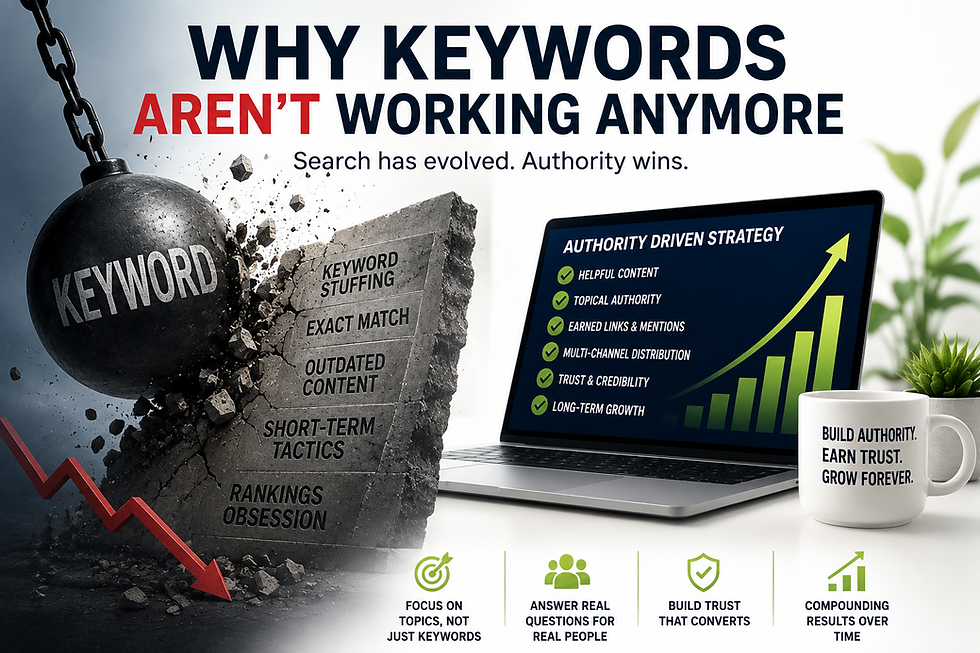
Success in the AI Overview era requires a fundamental shift toward authority-based content strategies that prioritize expertise, depth, and trustworthiness over traditional keyword targeting. Businesses must focus on creating content that establishes them as definitive sources in their fields, producing detailed guides, original research, and expert analysis that AI systems recognize as authoritative.
The most effective approach combines traditional SEO foundations with AI-specific optimizations, including thorough topic coverage, expert authorship, structured formatting, and strategic citation of credible sources. Content must serve both human readers and AI systems, providing immediate value while demonstrating the depth and authority that earns inclusion in AI-generated summaries.
Smart content strategies now prioritize building long-term authority over quick traffic gains, focusing on creating resources that become go-to references in their industries. This approach improves chances of AI Overview inclusion and builds sustainable competitive advantages as search continues evolving toward AI-mediated experiences.
For businesses ready to adapt their content strategy to dominate in the AI Overview era, Dominate Organic Search provides strategic media placement and authority-building content that positions brands for long-term visibility and success.


Comments