
How to Achieve Organic Search Improvement for Holistic Audiences

In today’s digital landscape, standing out in organic search results is more challenging than ever. But it’s not just about ranking high anymore. It’s about connecting with your audience on a deeper level, offering value that resonates with their needs and interests. When you focus on holistic audiences, you’re not just optimizing for keywords—you’re optimizing for people. This approach drives sustainable growth and positions your business as a trusted authority in your field.
Let’s explore how you can achieve organic search improvement by embracing a holistic strategy that aligns with your business goals and audience expectations.
Understanding Organic Search Improvement for Holistic Audiences
Organic search improvement means more than tweaking your website for better rankings. It’s about creating a seamless experience that meets your audience’s intent at every stage of their journey. Holistic audiences expect content that is relevant, trustworthy, and engaging. They want answers, insights, and solutions that feel personalized and authentic.
To deliver this, you need to:
Understand your audience deeply: What are their pain points, desires, and questions?
Create comprehensive content: Cover topics thoroughly, addressing multiple angles.
Optimize technical SEO: Ensure your site is fast, mobile-friendly, and easy to navigate.
Build authority and trust: Use credible sources, testimonials, and case studies.
Engage across channels: Integrate your SEO efforts with social media, email, and other marketing tactics.
By focusing on these elements, you can improve your organic search presence while genuinely connecting with your audience.

Crafting Content That Resonates with Holistic Audiences
Content is the heart of organic search improvement. But not just any content will do. You need to create content that speaks directly to your audience’s needs and interests. Here’s how to do it effectively:
1. Use Audience Personas
Develop detailed personas that represent your ideal customers. Include demographics, job roles, challenges, and goals. This helps you tailor your messaging and topics to what matters most to them.
2. Focus on Intent
Understand the search intent behind keywords. Are users looking for information, comparison, or to make a purchase? Align your content to match these intents clearly.
3. Provide In-Depth Information
Don’t just scratch the surface. Dive deep into topics with data, examples, and actionable advice. This builds trust and positions you as an expert.
4. Use Clear, Friendly Language
Write in a conversational tone that’s easy to understand. Avoid jargon unless it’s necessary and well-explained.
5. Incorporate Visuals
Use images, infographics, and videos to break up text and illustrate key points. Visual content helps retain attention and improves comprehension.
6. Update Regularly
Keep your content fresh and relevant by updating it with new insights, trends, and data.
By following these steps, your content will not only rank better but also engage and convert your audience more effectively.
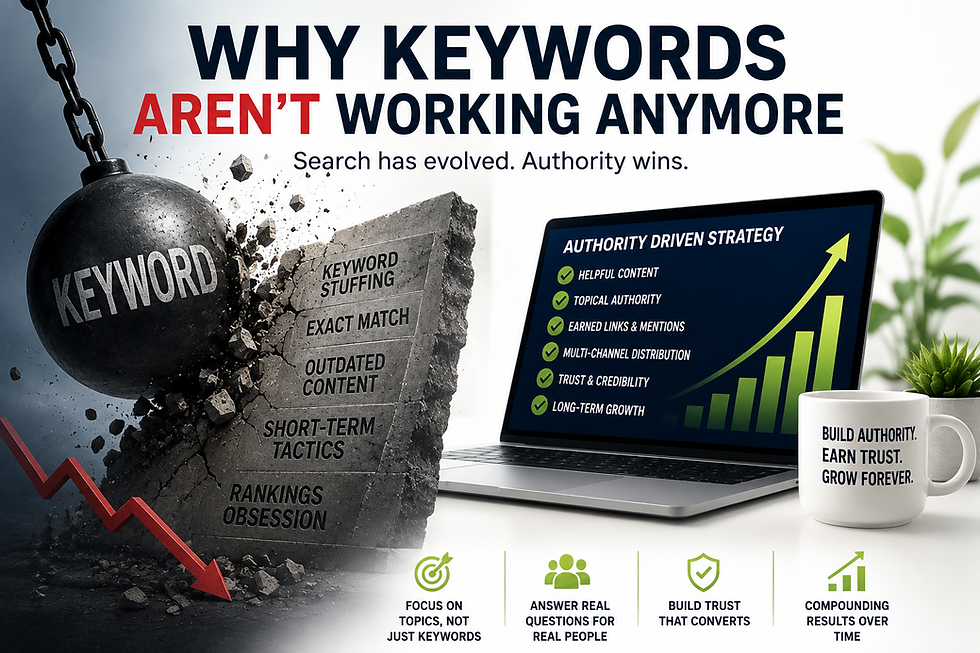
Is SEO Dead or Evolving in 2026?
You might have heard the question: Is SEO dead? The short answer is no. SEO is not dead; it’s evolving. The way search engines understand and rank content is becoming more sophisticated, especially with advances in AI and machine learning.
Here’s what’s changing and what you need to know:
Search engines prioritize user experience: Fast-loading pages, mobile optimization, and easy navigation are critical.
Content quality matters more than ever: Thin or duplicate content won’t cut it. Search engines reward comprehensive, original, and authoritative content.
Semantic search is on the rise: Search engines understand context and intent better, so your content should be naturally written and context-rich.
Voice and visual search are growing: Optimize for conversational queries and include descriptive alt text for images.
E-A-T (Expertise, Authoritativeness, Trustworthiness): Google emphasizes these factors, especially for high-value products and services.
SEO is no longer about gaming algorithms. It’s about delivering real value to your audience. By adapting to these changes, you can maintain and improve your organic search rankings well into 2026 and beyond.

Technical SEO: The Backbone of Organic Search Success
While content is king, technical SEO is the backbone that supports your organic search improvement efforts. Without a solid technical foundation, even the best content can struggle to rank.
Focus on these key technical areas:
Site Speed: A fast website improves user experience and search rankings. Use tools like Google PageSpeed Insights to identify and fix issues.
Mobile Optimization: Ensure your site is fully responsive and easy to use on all devices.
Secure Website (HTTPS): Security is a ranking factor and builds trust with visitors.
Structured Data: Use schema markup to help search engines understand your content better and enhance your listings with rich snippets.
Clean URL Structure: Use simple, descriptive URLs that include relevant keywords.
Fix Broken Links and Redirects: Regularly audit your site to eliminate errors that can harm SEO.
XML Sitemap and Robots.txt: Make sure search engines can crawl and index your site efficiently.
By addressing these technical elements, you create a seamless experience for both users and search engines, boosting your organic visibility.
Building Authority and Trust to Dominate Organic Search
Authority and trust are crucial for high-growth businesses aiming to dominate organic search. When your audience and search engines see you as a reliable source, your rankings and conversions improve.
Here’s how to build authority and trust:
Showcase Expertise: Publish case studies, whitepapers, and detailed guides that demonstrate your knowledge.
Earn Quality Backlinks: Partner with reputable sites and get featured in industry publications.
Leverage Testimonials and Reviews: Display positive feedback from satisfied clients prominently.
Maintain Consistency: Keep your brand voice, messaging, and quality consistent across all channels.
Engage with Your Community: Respond to comments, participate in forums, and share insights on social media.
Be Transparent: Clearly communicate your values, policies, and contact information.
These strategies help you build a strong reputation that search engines reward with higher rankings and your audience rewards with loyalty.
Taking Action: Your Next Steps to Optimize Organic Search
Now that you understand the key components of organic search improvement for holistic audiences, it’s time to take action. Here’s a simple roadmap to get started:
Audit Your Current SEO: Identify strengths and weaknesses in your content, technical setup, and authority.
Develop Audience Personas: Use data and insights to create detailed profiles.
Create a Content Plan: Focus on topics that address your audience’s needs and search intent.
Fix Technical Issues: Prioritize site speed, mobile optimization, and security.
Build Authority: Reach out for backlinks, gather testimonials, and publish expert content.
Monitor and Adjust: Use analytics tools to track performance and refine your strategy.
Remember, the goal is to Optimize Organic Search in a way that feels natural and valuable to your audience. This approach will help you dominate your niche and drive sustainable growth.
By embracing a holistic approach to organic search improvement, you position your business as the undisputed authority in your field. You create content and experiences that resonate deeply with your audience, build trust, and meet the evolving demands of search engines. Start today, and watch your organic presence grow stronger every day.


Comments