
You've Spent Years Optimizing for Google: Now It's Time to Conquer AI Recommendations

Updated: Apr 15
Key Takeaways
Foursquare data powers a significant portion of local business recommendations in ChatGPT, making traditional SEO optimization insufficient for AI visibility.
Brand mentions from trusted sources across the web are now more critical than backlinks for appearing in AI-powered search results and recommendations.
Businesses must optimize their presence across multiple data sources including Foursquare, business directories, and industry publications to influence LLM recommendations.
Consistent NAP (Name, Address, Phone) data and structured markup create the foundation for AI systems to accurately identify and recommend your business.
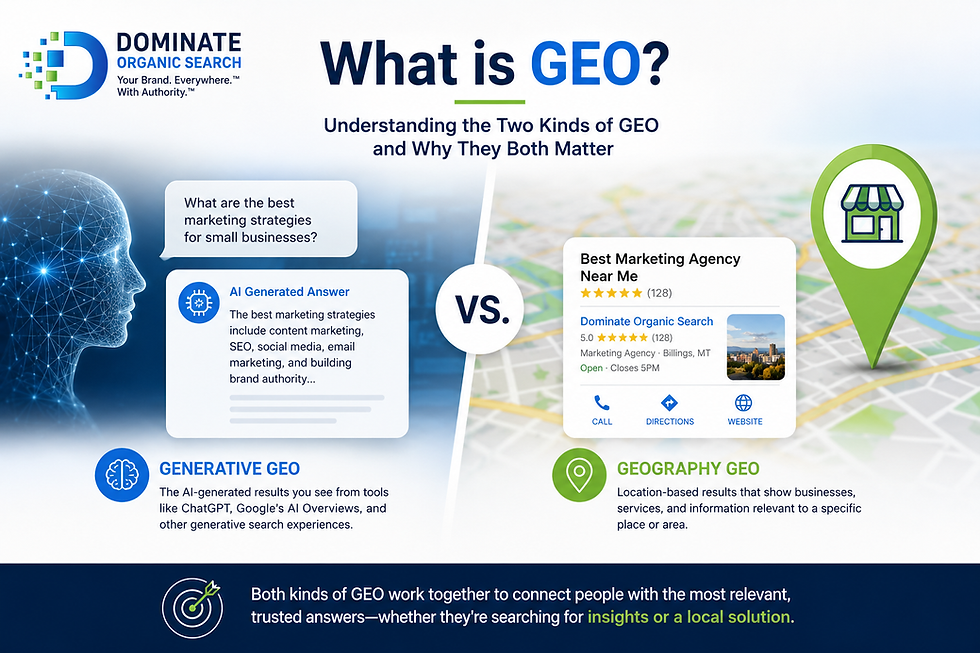
Online search has fundamentally shifted. While businesses have spent years optimizing for Google's algorithms, a new player has quietly emerged as a decision-making force: Large Language Models like ChatGPT. These AI systems aren't just answering questions; they're actively recommending businesses to millions of users seeking local services, products, and solutions.
This shift represents both an enormous opportunity and a hidden threat. Companies that understand how to influence LLM recommendations will capture attention from highly engaged prospects.
The Hidden Data Sources Behind LLM Business Recommendations
ChatGPT doesn't pull business recommendations from thin air. Behind every AI-generated suggestion lies a complex web of data sources that most business owners never consider. Unlike traditional search engines that primarily crawl websites, LLMs aggregate information from dozens of specialized databases, review platforms, and third-party verification services.
The most surprising revelation? Google's dominance in traditional search doesn't fully translate to AI recommendations. While recent updates show ChatGPT integrating real-time web results, including Google Business listings, LLMs still rely heavily on alternative data ecosystems that operate independently from Google's index. Understanding these sources becomes vital for any business serious about AI visibility.
This hidden infrastructure means that businesses ranking well on Google might be completely absent from ChatGPT recommendations—and vice versa. The companies succeeding in this new environment understand that AI visibility requires a fundamentally different approach to digital presence.
How ChatGPT Finds and Ranks Local Businesses
When users ask ChatGPT for local business recommendations, the AI doesn't perform a real-time Google search. Instead, it queries specific APIs and databases that have become the backbone of AI-powered local discovery.
Primary Data Sources: Bing, Business Directories, and Third-Party Publications
The foundation of ChatGPT's local recommendations comes from three primary sources. Foursquare provides core business data—names, addresses, categories, and basic information—for a substantial portion of local results. This data powers everything from business descriptions to location mapping, making Foursquare presence more critical than most businesses realize.
Mapbox handles the visual mapping components, while Reprompt acts as the verification layer. Reprompt's AI agents continuously scan websites, social media, government records, and news sources to update and correct outdated information. This creates a living database that reflects real-world business changes more accurately than static directory listings.
Third-party publications and industry blogs also feed into the knowledge base that LLMs draw from when making recommendations. News mentions, feature articles, and expert commentary all contribute to the authority signals that determine which businesses get recommended for specific queries.
Why Google Rankings Show Limited Correlation to ChatGPT Results
The disconnect between Google rankings and ChatGPT recommendations stems from fundamentally different approaches to information gathering. Google's algorithm prioritizes website authority, backlinks, and on-page optimization signals. ChatGPT draws from pre-trained knowledge bases that emphasize consistency, verification, and cross-source validation.
A restaurant ranking #1 on Google for "best pizza in Chicago" might not appear in ChatGPT's recommendations if its Foursquare data is incomplete or inconsistent. Conversely, a business with modest Google rankings but a strong presence across multiple data sources often dominates AI recommendations.
This means traditional SEO strategies alone won't guarantee AI visibility. Businesses need to think beyond their websites and consider their entire digital ecosystem—from directory listings to news mentions to social media presence.
The Role of AI-Powered Data Verification
Modern LLMs don't just collect data—they verify it through sophisticated cross-referencing systems. Reprompt's AI agents exemplify this trend, using machine learning to identify discrepancies between different sources and flag outdated information for human review.
This verification process creates a trust hierarchy where businesses with consistent, frequently updated information across multiple platforms gain credibility advantages. Companies that maintain accurate data across all touchpoints become more likely to appear in AI recommendations, while those with conflicting information get filtered out or receive lower priority.
Brand Authority Signals Matter More Than Keywords
The age of keyword stuffing and technical SEO tricks has given way to something far more sophisticated: brand authority recognition. LLMs evaluate businesses based on cumulative credibility signals rather than individual optimization tactics.
Third-Party Validation Creates Trust Signals
When industry publications mention a business, when local news features cover a company's achievements, or when expert blogs cite a brand's expertise, these create the validation signals that LLMs prioritize. Unlike backlinks, these mentions don't require direct website linking to influence AI recommendations.
An accounting firm featured in a regional business journal gains authority that translates directly into ChatGPT recommendations for "trusted accountants near me." The mention itself—not the traffic it generates—becomes the ranking factor in AI-powered search results.
This shift rewards businesses that invest in genuine relationship building, thought leadership, and community engagement over those focused purely on technical optimization. Companies earning consistent media coverage and industry recognition naturally accumulate the authority signals that LLMs trust.
The Psychology of AI-Powered Recommendations
Users perceive AI recommendations differently than traditional search results. When ChatGPT suggests a business, users interpret it as an unbiased, expert evaluation rather than a paid placement or SEO manipulation. This perception creates higher conversion rates and stronger customer trust for businesses that successfully appear in AI results.
The psychology works because LLMs present recommendations as curated lists from a knowledgeable source, similar to asking a trusted friend for advice. This contextual framing makes users more likely to act on AI suggestions compared to traditional search results where they expect commercial influence.
5 Strategic Ways to Optimize for LLM Visibility
Building LLM visibility requires systematic optimization across multiple platforms and data sources. These five strategies create the foundation for consistent AI recommendations.
1. Build Consistent NAP Data Across Citation Sources
Name, Address, and Phone (NAP) consistency forms the bedrock of AI business recognition. LLMs cross-reference business information across dozens of sources, and discrepancies create confusion that leads to exclusion from recommendations.
Start with major directories like Foursquare, Yelp, and Google Business Profile, ensuring identical formatting across all platforms. Then expand to industry-specific directories, local chambers of commerce, and niche listing sites. Even minor variations—like "St." versus "Street"—can fragment your digital presence and weaken AI recognition.
The goal isn't just accuracy but absolute consistency. LLMs reward businesses that present identical information everywhere, treating consistency as a trust signal that indicates legitimate, well-managed operations.
2. Implement Schema.org Structured Data
Structured data creates machine-readable information that LLMs can easily parse and understand. LocalBusiness schema markup tells AI systems exactly what your business does, where it's located, and how customers can contact you.
Beyond basic contact information, implement schema for operating hours, service areas, accepted payments, and customer ratings. This structured approach helps LLMs categorize your business accurately and match you with relevant user queries.
Technical implementation matters less than thorough coverage. Focus on marking up every piece of relevant business information using proper schema vocabulary, creating a clear digital fingerprint that AI systems can confidently reference.
3. Generate Widespread Brand Mentions Through Content Marketing
LLMs learn from the collective mention patterns across the internet. Businesses that appear frequently in diverse, credible contexts build the recognition necessary for AI recommendations.
Create quotable content that other publishers want to reference. Original research, industry surveys, and expert commentary naturally generate the unlinked mentions that strengthen AI authority signals. When trade publications cite your data or local news quotes your expertise, these mentions accumulate into recommendation authority.
Focus on being useful rather than promotional. The goal is earning mentions through genuine value creation, not link-building campaigns. LLMs recognize authentic authority better than manufactured visibility.
4. Maintain Active Presence in Industry Communities
LLMs learn from conversations across platforms like Reddit, Quora, LinkedIn, and specialized forums. Active participation in industry discussions creates the contextual mentions that help AI systems understand your expertise and credibility.
Answer questions in your field, share insights on industry trends, and engage authentically with community discussions. These interactions create natural brand associations that LLMs pick up during training, connecting your business with relevant topics and search queries.
Consistency matters more than volume. Regular, helpful contributions over time build stronger authority signals than sporadic promotional posts.
5. Optimize Business Profiles Across Multiple Directories
Directory optimization extends far beyond Google Business Profile. LLMs draw from dozens of business listing platforms, making thorough directory presence vital for AI visibility.
Claim and optimize profiles on Foursquare, Yelp, TripAdvisor, industry-specific directories, and local business associations. Each platform should feature complete, consistent information with platform-specific optimizations like relevant categories, detailed descriptions, and current photos.
Don't overlook niche directories in your industry. Specialized platforms often carry more authority weight with LLMs than general directories, particularly for professional services and B2B companies.
Building Long-Term LLM Authority Through Strategic Content Distribution
Sustainable AI visibility requires ongoing content distribution that builds cumulative authority over time. Single optimization efforts create temporary improvements, but systematic content strategies generate lasting recognition.
Strategic Media Placement for Credibility Signals
The most powerful LLM authority signals come from media placement on trusted platforms. When established publications feature your business, quote your expertise, or reference your industry insights, these create the high-authority mentions that LLMs prioritize.
Develop relationships with journalists, bloggers, and industry publications that cover your market. Offer expert commentary on industry trends, provide data for research articles, and position yourself as a go-to source for informed perspectives. These relationships generate organic mentions that compound into AI authority over time.
Focus on publications that LLMs likely trained on—established news sites, industry journals, and authoritative blogs. Local media coverage also carries significant weight for location-based recommendations.
Creating Content That AI Models Trust and Cite
LLMs favor content that demonstrates clear expertise, provides factual information, and maintains consistent messaging. Create content that other publishers want to reference and cite, focusing on original insights, data-driven conclusions, and practical expertise.
Original research performs particularly well because it creates unique value that other publications naturally reference. Surveys, studies, and industry analysis generate the citation patterns that strengthen AI recognition over time.
Maintain consistent messaging across all content to reinforce brand positioning. LLMs recognize and reward businesses that present coherent expertise rather than scattered, inconsistent information.
Position Your Business for the AI-Driven Search Future
The transformation from traditional search to AI-powered recommendations represents one of the most significant shifts in digital marketing history. Businesses that adapt their visibility strategies now will dominate their markets as AI adoption accelerates.
Success requires moving beyond website-centric thinking toward thorough digital ecosystem management. This means maintaining a consistent presence across data sources that LLMs rely on, generating authentic authority signals through valuable content creation, and building the systematic brand mentions that create AI trust.
The companies winning in this environment understand that AI visibility isn't a campaign—it's an ongoing strategic advantage. Those who master LLM optimization today will control the recommendations that drive tomorrow's business decisions.


Comments